Sophia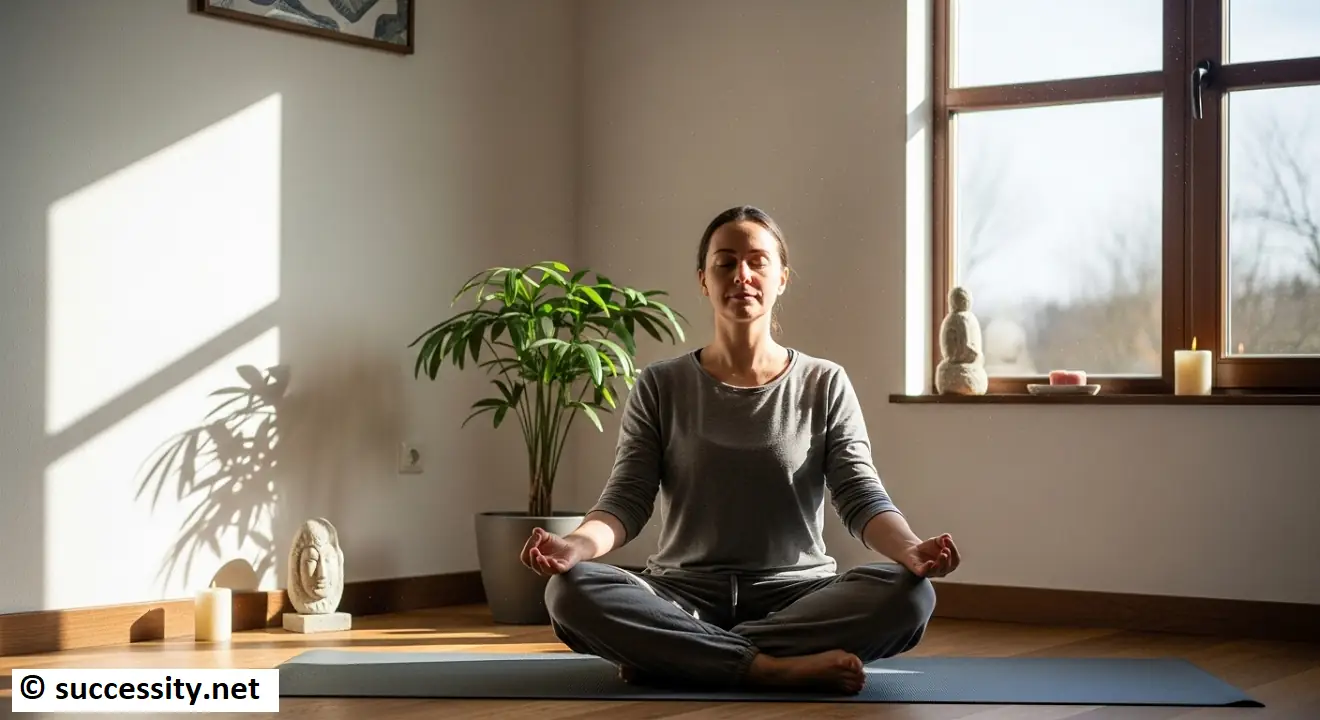
let’s talk about something real. Life feels faster than ever. The pressure to do more, be more, and achieve more can leave us feeling frazzled, overwhelmed, and disconnected. Stress and anxiety aren’t just buzzwords; for many of us, they are daily companions. They can feel like a constant background hum that steals our joy and drains our energy.
But what if you had a tool to turn down the volume on that noise? What if you could find moments of calm and clarity, even on the most chaotic days?
That tool is mindfulness. It’s not about magic or complex rituals. It’s a simple, science-backed practice of paying attention to the present moment. This article is your guide. We’ll explore powerful yet straightforward mindfulness techniques to reduce stress and anxiety, helping you build a foundation for lasting mental wellness. Let’s start this journey together.
Understanding the Sources of Modern Stress and Anxiety
Before we dive into the “how,” it’s helpful to understand the “why.” If you feel more stressed than ever, you’re not imagining it. Our modern world is uniquely designed to keep our minds spinning, making effective stress reduction techniques more crucial than ever.
The “Always-On” Culture
Our smartphones buzz with notifications from the moment we wake up until we go to sleep. The line between work and home has blurred into non-existence for many, creating an expectation to be available 24/7. This constant connectivity keeps our nervous systems in a low-grade state of alert, making it difficult to ever truly rest and recharge. We’re wired, but we’re also tired.
Information Overload and the Comparison Trap
Between the relentless news cycle and perfectly curated social media feeds, our brains are flooded with information. We are constantly exposed to crises from around the globe and the highlight reels of everyone else’s lives. This can lead to a sense of helplessness and trigger the “comparison trap,” where our own reality feels lacking. This constant social comparison is a significant driver of modern anxiety.
Living on Autopilot
Think about your morning. Did you really taste your coffee, or were you already mentally running through your to-do list? So much of our lives are spent on autopilot—driving, eating, even having conversations—while our minds are elsewhere, usually worrying about the future or replaying the past. This disconnect from the present moment is a primary source of unease and a key reason why learning how to practice mindfulness is so transformative.
Understanding Mindfulness – Beyond the Buzzword
You’ve likely heard the term “mindfulness,” but it’s often misunderstood. So, let’s clear things up.
A Simple Definition
At its core, mindfulness is the practice of paying attention to the present moment on purpose, without judgment. It’s about noticing your thoughts, the feelings in your body, and the world around you right now. It is a state of active, open awareness. When you practice mindfulness, you’re simply observing your experience instead of being lost in it.
It’s Not About Emptying Your Mind
This is the biggest myth about mindfulness and meditation. The goal is not to stop thinking or achieve a perfectly empty mind. That’s impossible! Your brain’s job is to think. Instead, mindfulness teaches you to change your relationship with your thoughts. You learn to see them as passing mental events—like clouds in the sky—rather than absolute truths you must react to.
Why Practice Mindfulness? The Proven Benefits for Your Brain

This isn’t just a feel-good practice; it’s a powerful form of mental training with profound, scientifically-proven benefits for your well-being. Practicing mindfulness can literally reshape your brain for the better.
- Reduces Rumination: It helps you break free from the cycle of getting stuck in repetitive, negative thought loops that are a hallmark of anxiety.
- Calms the Brain’s Fear Center: Studies show that mindfulness practice can decrease the size and activity of the amygdala, the part of your brain responsible for the fight-or-flight stress response.
- Lowers Stress Hormones: Consistent practice has been linked to lower levels of cortisol, the body’s primary stress hormone, promoting a state of calm.
- Improves Focus and Memory: By training your attention, you strengthen your ability to concentrate and filter out distractions, boosting cognitive function.
- Promotes Emotional Regulation: Mindfulness gives you a crucial pause between a feeling and your reaction to it. This space allows you to respond more thoughtfully instead of reacting impulsively, which is key for managing difficult emotions.
7 Mindfulness Exercises to Reduce Stress and Anxiety
Ready to try? Here are seven simple yet powerful mindfulness techniques you can start using today. You don’t need any special equipment—just a willingness to be present.
1. The Anchor – Mindful Breathing
This is the foundation of all mindfulness. Your breath is always with you, making it the perfect anchor to the present moment.
- How to do it: Find a comfortable seat. You can close your eyes or soften your gaze. Simply bring your attention to the sensation of your breath. Notice the feeling of the air entering your nostrils, filling your lungs, and then leaving your body. Don’t try to change your breathing. Just observe it. When your mind wanders (and it will), gently and without judgment, guide your attention back to your breath. Even one minute of these breathing exercises for anxiety can make a difference.
2. The Body Scan Meditation
Stress and anxiety often live in the body as tension. This practice helps you reconnect with your physical self and release that tension.
- How to do it: Lie down comfortably on your back. Close your eyes and bring your awareness to the toes on your left foot. Notice any sensations—tingling, warmth, pressure—without needing to change them. Slowly, move your attention up your body: to your foot, ankle, calf, knee, and so on. Continue this “scan” through your legs, torso, arms, and all the way to the crown of your head. This body scan meditation is a wonderful way to wind down before sleep.
3. The 5-4-3-2-1 Grounding Technique
This is one of the most effective grounding techniques for moments of intense anxiety or panic. It pulls you out of your racing thoughts and into your physical environment.
- How to do it: Wherever you are, pause and gently notice:
- 5 things you can SEE: Your computer, a plant, a crack in the wall, the color of your shirt, a shadow.
- 4 things you can TOUCH: The texture of your desk, the fabric of your pants, the coolness of a glass, your own skin.
- 3 things you can HEAR: The hum of a fan, distant traffic, your own breathing.
- 2 things you can SMELL: Your coffee, hand soap, or just the scent of the room.
- 1 thing you can TASTE: The lingering taste of your last drink, or just the neutral taste inside your mouth.
This technique is a powerful circuit-breaker for an anxious mind.
4. Mindful Observation
This simple exercise trains your focus and helps you see the beauty in the ordinary.
- How to do it: Pick up a common object, like a pen, a leaf, or your coffee mug. For one full minute, look at it as if you’ve never seen it before. Notice its colors, textures, shape, weight, and how the light reflects off its surface. This practice anchors you firmly in the “now.”
5. The Mindful Walk
You don’t have to be sitting on a cushion to practice mindfulness. Take it on the move!
- How to do it: The next time you walk somewhere—even just from your desk to the kitchen—do it mindfully. Pay attention to the sensation of your feet hitting the ground. Notice the subtle shift of weight in your body with each step. Tune into the sights and sounds around you without labeling them. This is a perfect way to incorporate mindfulness into your daily life.
6. Mindful Listening
We hear things all day, but we rarely just listen. This practice uses sound as the object of attention.
- How to do it: Sit for a few minutes with your eyes closed and just listen. Notice the sounds that are closest to you, then expand your awareness to sounds further away. Hear the birds, the traffic, the hum of the refrigerator. Don’t label sounds as “good” or “bad” (like an annoying car alarm). Just receive them as pure sensation.
7. Loving-Kindness Meditation
Anxiety and stress are often fueled by a harsh inner critic. This practice helps you cultivate self-compassion.
- How to do it: Sit quietly and silently repeat a few simple phrases directed toward yourself. A traditional set is:
- “May I be happy.”
- “May I be safe.”
- “May I be healthy.”
- “May I live with ease.”
After a few minutes, you can extend these wishes to loved ones, neutral people, and eventually, all beings.
Weaving Mindfulness into Your Busy Schedule
The key to reaping the benefits of mindfulness is consistency, not duration. You don’t need to find a spare hour. Instead, sprinkle “mindful moments” throughout your day.
- Mindful Mornings: Before you reach for your phone, take your first three breaths of the day with full awareness. Feel your body in the bed and the air in your lungs.
- Mindful Chores: Turn a mundane task like washing the dishes into a practice. Feel the warmth of the water on your hands, notice the smell of the soap, and hear the sound of the plates.
- Mindful Eating: Choose one meal—or even just your morning coffee—to consume without screens. Pay attention to the flavors, aromas, and textures. You’ll be surprised by what you notice.
- Set Reminders: Use a recurring alert on your phone or a sticky note on your monitor that says “Breathe.” When you see it, take one conscious, mindful breath. It’s a one-minute reset for your nervous system.
Feeling Stuck? How to Troubleshoot Your Mindfulness Practice

Starting a new practice can come with challenges. These mindfulness hurdles are completely normal. Here’s how to navigate them.
“My Mind Won’t Stop Wandering!”
Welcome to the club! This is the experience of every single person who practices mindfulness. Your mind is supposed to wander. The practice is not about preventing it; it’s about what you do when you notice it. Each time you gently guide your attention back to your breath, you are doing a “rep” for your brain. That moment of noticing and returning is the practice.
“I Don’t Have Enough Time.”
This is the most common hurdle. Reframe it. You are not adding a chore; you are transforming moments you already have. Can you walk to your car mindfully? Can you drink your tea mindfully? One minute of mindful breathing is infinitely more beneficial than zero minutes. Consistency over duration is the golden rule.
“I Feel Bored or Sleepy.”
That’s valuable information! If you feel bored, can you become curious about the sensation of boredom itself? Where do you feel it in your body? If you feel sleepy, that might be your body telling you it’s exhausted. You can try practicing with your eyes open or choosing a more active practice like the mindful walk.
“Am I Doing It Right?”
Let go of the need for perfection. If you are paying attention to your present-moment experience on purpose, you are doing it right. There is no special feeling you’re supposed to achieve. Some days will feel calm, others will feel restless. The goal is simply to be aware of whatever is happening, without judgment.
Take a Breath – Your Commitment on World Mental Health Day
On this World Mental Health Day, the most powerful step you can take for your mental wellness is a single, conscious breath. Stress and anxiety are part of the human experience, but they don’t have to run your life. The mindfulness techniques we’ve explored are not a quick fix but a lifelong skill—a way to navigate the ups and downs with more grace, resilience, and a calm mind.
Your journey to a calmer, more present life doesn’t start tomorrow. It starts now, in this moment.
Call-to-Action: This World Mental Health Day, what is one small way you will practice mindfulness? Share your commitment in the comments to inspire others!
Your Mindfulness Questions, Answered
How long should I practice mindfulness each day?
Start small! Even 3-5 minutes a day is incredibly beneficial. Consistency is far more important than duration, especially when you’re building a new habit.
What’s the difference between mindfulness and meditation?
Think of it this way: Meditation is the formal workout (like going to the gym). It’s when you set aside a specific time to sit and practice. Mindfulness is the state of fitness you carry with you throughout the day. It’s the quality of awareness you can bring to any moment, whether you’re in a meeting or walking your dog.
Can mindfulness make anxiety worse?
For some people, sitting quietly can initially heighten their awareness of anxious thoughts, which can feel uncomfortable. If this happens, start with very short sessions (1-2 minutes) or active practices like the mindful walk. If your anxiety feels severe or overwhelming, it’s a crucial sign that seeking support from a qualified mental health professional is the best next step.
Do I need a special cushion or a perfectly quiet room to practice?
Absolutely not! While a quiet space can be helpful when you’re just starting, the real power of mindfulness is learning to find your center anywhere. You can practice in your office chair, on a park bench, or even on a noisy bus. The goal isn’t to escape the world, but to be present within it. The only “equipment” you truly need is your breath and your attention.
How long does it take to feel the benefits of mindfulness?
You can experience benefits on two different timelines. Some techniques, like the 5-4-3-2-1 grounding exercise, can provide immediate relief from a spike of anxiety. A single 3-minute mindful breathing session can leave you feeling calmer right away. The more profound, lasting benefits—like lower overall stress levels and better emotional regulation—come from consistent practice. Think of it like exercise: you feel good after one workout, but the real transformation happens over weeks and months of staying with it.
Disclaimer: This article is for informational purposes only and is not a substitute for professional medical advice, diagnosis, or treatment. Always seek the advice of your physician or another qualified health provider with any questions you may have regarding a medical condition.
About the Author