Sophia
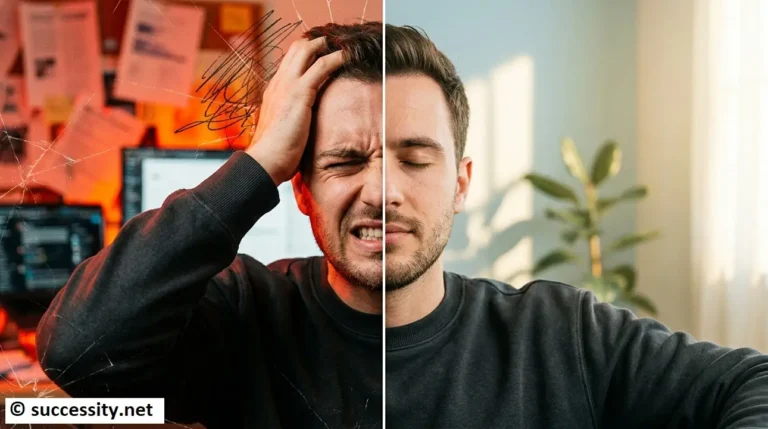
Do you ever feel like you’re running on a hamster wheel, constantly focused on the next task, the next problem, the next thing on your to-do list? In the endless hustle of modern life, it’s remarkably easy to get caught up in what’s going wrong. But what if you had a simple, powerful tool to shift your focus, reduce stress, and genuinely improve your quality of life—and it didn’t cost a thing?
This is the essence of practicing gratitude—a conscious, intentional practice that can dramatically improve your daily well-being and bolster your mental health. It’s not about ignoring life’s challenges, but about giving the good things the attention they deserve. This comprehensive guide will walk you through the what, why, and how of gratitude, providing simple gratitude exercises and practical tips to make it a transformative part of your daily routine.
What is Gratitude, Really? (Beyond Just Saying “Thanks”)
We all say “thank you” out of politeness, but true gratitude runs much deeper. It’s more than just good manners; it’s a powerful emotion and a deliberate gratitude mindset. Think of it as switching the lens on your camera from a tight zoom on your problems to a wide-angle that captures the whole, beautiful scene.
At its core, gratitude has two key components:
- Affirming the good: It’s about recognizing and acknowledging the good things, benefits, and gifts you have in your life, whether they are big (a loving family, good health) or small (a warm cup of coffee, a sunny day).
- Recognizing the source: It involves understanding that the source of this goodness often lies outside of yourself. You recognize the effort of others, the beauty of nature, or simply the presence of luck or grace in your life.
The Surprising Science – How Gratitude Rewires Your Brain for Happiness
This isn’t just feel-good fluff; the gratitude benefits are rooted in hard science. When you consistently practice gratitude, you are literally rewiring your brain for happiness and resilience. The neuroscience of gratitude shows that this simple act has a profound physical impact.
The Neurological Impact:
Studies using fMRI scans reveal that feelings of gratitude activate the medial prefrontal cortex. Think of this area as the brain’s “upgrades” center—it’s heavily involved in learning, decision-making, and storing positive emotional memories. The more you practice gratitude, the more sensitive and active this region becomes, making it easier for you to register and appreciate positive experiences in the future.
A Natural Mood Booster:
Practicing gratitude triggers the release of dopamine and serotonin, the brain’s “feel-good” neurotransmitters. These are the same chemicals targeted by many antidepressants. A regular gratitude practice can serve as a natural mood booster, increasing feelings of happiness and contentment.
Lowering Stress:
Gratitude also helps reduce stress by taming the amygdala, your brain’s fear center or “alarm system.” When you’re stressed or anxious, the amygdala is in overdrive. Gratitude can soothe this system, leading to lower levels of cortisol, the primary stress hormone. This leads to a greater sense of calm and improved daily well-being.
How to Practice Gratitude Daily – 7 Simple Exercises to Start Today

The best part about gratitude is its accessibility. You don’t need special equipment or a lot of time. Here are seven simple gratitude exercises to weave into your life.
1. The Classic Gratitude Journal
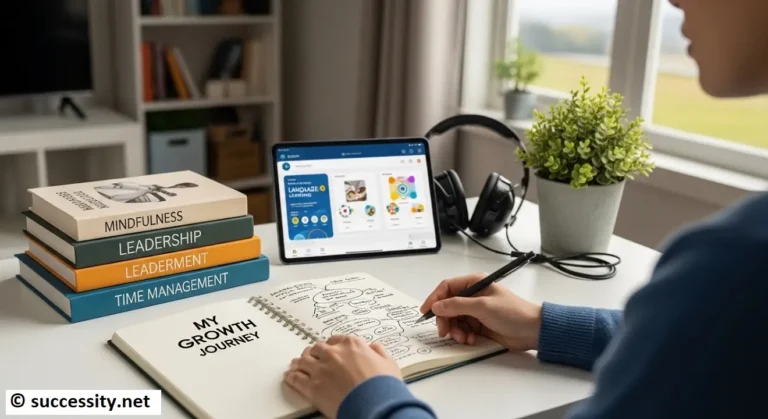
This is the foundation of any daily gratitude practice. Every evening, take five minutes to write down 3-5 things you were grateful for that day.
- Pro-Tip: Be specific. Instead of “I’m grateful for my family,” write “I’m grateful for the way my daughter laughed at my silly joke today.” Specificity makes the emotion more potent.
2. The “Three Good Things” Exercise
This research-proven technique is a slight twist on the journal. At the end of the day, identify three things that went well and briefly write down your role in making them happen. This builds self-efficacy along with gratitude.
3. Mindful Gratitude Walks
Combine movement, nature, and appreciation. Go for a walk—around your block or in a park—and make it your mission to notice things to be grateful for. The warmth of the sun, the intricate design of a leaf, a stranger’s smile.
4. The Power of a Gratitude Letter
Think of someone who has had a positive impact on your life whom you’ve never properly thanked. Write them a detailed letter explaining what they did and how it affected you. For an even greater impact, read it to them in person or over the phone.
5. The Visual Cue – Your Gratitude Jar
This is a wonderful family activity. Keep a jar and a stack of small papers nearby. Whenever something happens that makes you feel grateful, write it down and put it in the jar. On a tough day or at the end of the year, read through them.
6. The Cognitive Reframe – “Get To” vs. “Have To”
This is a powerful mental shift. Notice when you say “I have to…” and reframe it as “I get to…”
- “I have to go to work” becomes “I get to earn a living and use my skills.”
- “I have to make dinner” becomes “I get to nourish myself and my family.”
7. Gratitude Prompts for When You’re Stuck
Feeling uninspired? Use these prompts to get started:
- A skill you’re proud to have…
- Something beautiful you saw today…
- A piece of technology that makes your life easier…
- A simple pleasure you enjoyed…
Tools and Apps to Support Your Gratitude Journey
In our digital age, building a new habit can be easier with a little help. If you’re looking for tools to support your practice, you have plenty of options.
Top Gratitude Apps for Your Smartphone
There are many excellent gratitude apps designed to make journaling simple and consistent. Apps like Gratitude, Day One, or Three Good Things offer daily reminders, photo integration, and passcode protection. If you’re searching for the best gratitude journal app for you, consider one that offers prompts to keep your entries fresh and inspiring.
Physical Journals and Prompt Cards
For many, the physical act of writing is more meditative and powerful. A simple notebook works perfectly. You can also find beautiful guided gratitude journals that come with daily prompts, quotes, and space for reflection, taking the guesswork out of your practice.
Free Resources – Calendars and Printables
A simple printable calendar where you can jot down one grateful thought per day can be a great visual reminder. Hanging it by your desk or on your fridge keeps gratitude top-of-mind.
Integrating Gratitude into Different Areas of Your Life
Gratitude isn’t just a solitary practice; its greatest power is unleashed when you integrate it into your interactions and worldview.
Cultivating Gratitude in Your Relationships
Expressing appreciation is a cornerstone of strong, healthy connections. Move beyond generic thanks. Get specific. Instead of “Thanks for everything,” try, “I really appreciate that you took the time to listen to me vent about my day. It made me feel so supported.” This level of detail validates the other person and deepens your bond. This is a key benefit of gratitude in relationships.
Bringing Gratitude into the Workplace
The workplace can be a source of stress, but it’s also ripe with opportunities for gratitude. Acknowledge a colleague who helped you meet a deadline. Celebrate small team wins. Take a moment to be grateful for the skills you’ve developed and the opportunities your job provides. Fostering gratitude at work can significantly improve job satisfaction and workplace well-being.
Gratitude for Your Body and Health
In a world that often focuses on flaws, practicing gratitude for your health and body can be a radical act of self-love. Focus on what your body can do. Be grateful for your lungs that breathe air, your legs that carry you, your eyes that see beauty, and your body’s incredible ability to heal. This shifts your perspective from criticism to appreciation.
Overcoming Common Hurdles in Your Gratitude Practice

Starting a new habit isn’t always easy. It’s normal to hit a few roadblocks.
What If I Just Don’t Feel Grateful?
It’s okay. Gratitude isn’t about faking happiness or ignoring pain, especially during difficult times. When you don’t feel it, start microscopically small. Are you grateful for the roof over your head? For clean water from the tap? For the fact that you woke up this morning? Consistency is more important than intensity.
How to Stay Consistent When Life Gets Busy
The key is to link your new habit to an existing one. This is called “habit stacking.” For example: “After I brush my teeth at night, I will write in my gratitude journal.” A two-minute practice is infinitely better than no practice at all. Set a daily reminder on your phone if you need to.
From a Daily Task to a Lifelong Gratitude Mindset
Initially, gratitude might feel like another item on your to-do list. But with consistent practice, something amazing happens. It begins to evolve from something you do into someone you are.
The Shift from “Doing” to “Being”
The ultimate goal is for gratitude to become the default lens through which you view the world. You start to notice the good things automatically, without needing a prompt. A challenging day is no longer just a “bad day”—it’s a day that also contained a moment of connection, a beautiful sunset, or a satisfying meal. This is the gratitude mindset.
Noticing Awe in the Everyday
A powerful way to cultivate this state is to actively look for moments of awe. Awe is that feeling of wonder you get when you encounter something vast, beautiful, or profound—a starry night sky, incredible art, or an act of profound kindness. Awe naturally inspires a feeling of gratitude and reminds us of the good in the world.
Start Your Journey – A Final Word on Gratitude and Well-Being
Gratitude is one of the most powerful and accessible tools you have for transforming your daily well-being. It is a simple, scientifically-proven practice that can reduce stress, improve your mental health, and deepen your connection to the world around you.
You don’t need to do everything at once. Just pick one exercise from this guide that resonates with you and commit to trying it for one week. See how you feel. The journey to a more grateful life starts with a single step.
To take your first step right now, share one small thing you’re grateful for in the comments below. Let’s build a wave of gratitude together!
Frequently Asked Questions (FAQ)
How long does it take to see the benefits of practicing gratitude?
While some people feel an immediate mood boost, studies show that consistent practice over several weeks leads to the most significant and lasting changes in happiness and well-being.
Is a digital app or a physical journal better for gratitude?
Both are effective! The best tool is the one you will actually use. A physical gratitude journal can feel more mindful, while gratitude apps offer convenience and reminders. Experiment and see what works for you.
Can I practice gratitude even if I’m going through a very hard time?
Yes. In fact, it can be an especially powerful anchor during difficult times. It doesn’t deny your pain, but it ensures that the pain isn’t the only thing you see. Focusing on the smallest good can provide a sliver of light.
How is gratitude different from mindfulness?
They are related but distinct. Mindfulness is about paying non-judgmental attention to the present moment. Gratitude is a specific type of mindful attention—it’s the practice of noticing and appreciating the good within that present moment.
About the Author