Sophia
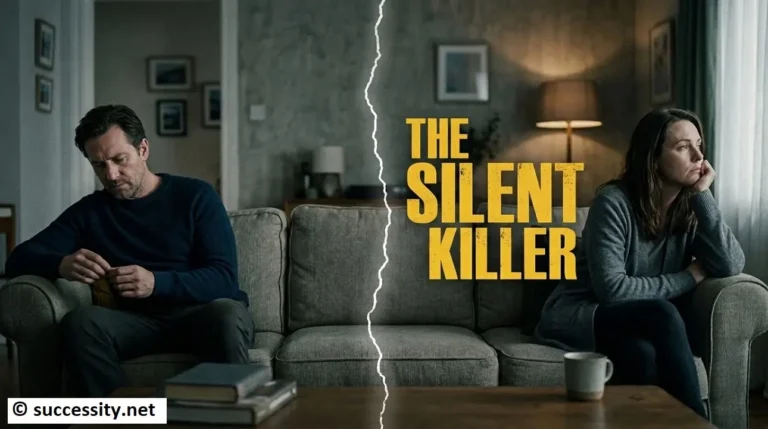
We’ve all been there. The air gets thick. Voices get a little tight. You’re having the same argument you had last week, and you can already predict how it’s going to end: with frustration, hurt feelings, and a wall of silence between you.
Relationship arguments are exhausting. They can make you feel disconnected, misunderstood, and even scared for the future of your partnership. But what if conflict wasn’t the enemy? What if, instead of a sign of trouble, it was actually an opportunity to understand each other better and build a deeper, more resilient bond?
The truth is, conflict is inevitable. You are two different people with unique backgrounds, needs, and perspectives. You’re going to disagree. The secret to a happy, long-lasting partnership isn’t avoiding conflict; it’s learning how to resolve conflicts in your relationship in a way that brings you closer, not pushes you apart.
This guide will walk you through a practical, step-by-step framework for healthy conflict resolution. It’s time to stop fighting each other and start solving problems together.
The Mindset Shift – Why Healthy Conflict is Good for Your Relationship
Before we dive into the “how,” we need to adjust the “why.” Most of us view conflict as a battle to be won. Our heart rate climbs, our defenses go up, and our goal becomes proving our point and making the other person admit they’re wrong. This is a recipe for resentment.
Redefining “Winning” – From Me vs. You to Us vs. The Problem
The single most important shift you can make is to stop seeing your partner as your adversary. The real adversary is the problem itself—the miscommunication, the unmet need, the external stressor. When you can physically or mentally pivot to stand side-by-side, looking at the problem together, everything changes. The goal of healthy conflict isn’t to determine a winner and a loser. The goal is for the relationship to win.
The Difference Between Healthy and Unhealthy Conflict
Learning to argue better starts with recognizing the dynamic between you and your partner. Understanding the nuance of healthy vs. unhealthy relationships is critical for moving from a destructive fight to a productive discussion.
| Healthy Conflict (Connects You) | Unhealthy Conflict (Divides You) |
|---|---|
| Focus: The specific issue at hand. | Focus: Attacking the person’s character. |
| Language: Uses “I” statements (“I feel…”) | Language: Uses “You” statements (“You always…”) |
| Goal: Understanding & mutual resolution. | Goal: Winning the argument & being right. |
| Emotion: Expresses hurt, seeks connection. | Emotion: Expresses contempt, seeks to wound. |
| Outcome: You feel heard and closer. | Outcome: You feel resentful and distant. |
Building an “Argument-Proof” Foundation – Proactive Strategies to Reduce Conflict
The best way to manage conflict is to build a relationship that’s so strong, most disagreements don’t have the power to destabilize it. Excellent couples communication isn’t just for difficult moments; it’s a daily practice.
Master the 5 – 1 Ratio for Emotional Stability
Renowned relationship researcher Dr. John Gottman discovered that happy, stable couples share a magic ratio: for every one negative interaction during a conflict, they have five or more positive interactions during their everyday lives.
Think of it as an emotional bank account. When you’re constantly making small, positive deposits, you have plenty of goodwill to draw from when a conflict arises. These deposits aren’t grand gestures. They are:
- A quick hug or kiss goodbye.
- Saying “thank you” for a small chore.
- Sending a supportive text during the day.
- Sharing a laugh over something silly.
- Putting your phone down and asking, “How was your day, really?”
These moments build a buffer of love and respect that protects your bond.
Schedule a Weekly “State of the Union” Meeting
This might sound formal, but a weekly relationship check-in can be a game-changer. It’s a dedicated, calm time to bring up small issues before they become huge problems. Keep it light and structured:
- Start with Appreciation: “What’s one thing you appreciated about me this week?”
- Discuss What’s Working: “What felt really good in our relationship this week?”
- Address One Issue Gently: “I’d love to figure out a plan for the weekend chores so we can both relax.”
- End with a Goal: “Let’s make sure we have one date night this week, even if it’s just takeout on the couch.”
Understand Your Own Emotional Triggers
Often, our reaction to a conflict is disproportionate to the actual event. This is usually because an emotional trigger—a sensitive spot from our past—has been activated. Understanding your own triggers is a powerful form of self-reflection that can de-escalate conflicts before they even start.
Take a moment for self-reflection. Is there a specific topic (like money or commitment) that always sets you off? Do you react strongly to feeling ignored, controlled, or criticized? Recognizing these patterns allows you to say, “I’m feeling triggered right now, and I need a minute to process,” which is far more constructive than lashing out.
This proactive approach prevents the buildup of resentment that so often fuels explosive relationship arguments.
The 9-Step Framework for Resolving Conflict Constructively

When a disagreement does arise, this framework will help you navigate it with grace and turn it into a moment of connection.
Step 1 – Choose the Right Time and Place (Set the Stage for Success)
Let’s be real: talking about your budget at 11 PM when you’re both exhausted is a recipe for disaster. Don’t engage in a serious discussion when you are Hungry, Angry, Lonely, or Tired (HALT). If a conflict starts at a bad time, it’s okay to say, “This is really important, and I want to give it my full attention. Can we please talk about it after dinner / tomorrow morning?”
Step 2 – Start Softly and Use “I” Statements
The way a conversation starts predicts, with startling accuracy, how it will end. Starting with blame and accusation (“You never help around the house!”) immediately puts your partner on the defensive.
Instead, use a “softened startup” with an “I” statement. The formula is simple but powerful:
“I feel [your emotion] when [the specific situation] because [your need or concern].”
- Instead of: “You didn’t even notice I cleaned the whole kitchen.”
- Try: “I feel hurt and a little invisible when my efforts to clean aren’t acknowledged because it makes me feel like my work isn’t valued.”
Step 3 – Practice Active Listening to Genuinely Understand
This is one of the most crucial conflict resolution skills. Most of us don’t listen; we just wait for our turn to talk. Active listening means your goal is to truly understand your partner’s perspective, even if you don’t agree with it.
- Paraphrase: “So, what I’m hearing you say is that you’re feeling overwhelmed at work, and when you come home, you just need some time to decompress.”
- Ask clarifying questions: “Can you tell me more about what that feels like for you?”
- Don’t interrupt. Let them finish their entire thought.
Step 4 – Validate Your Partner’s Feelings (Even if You Disagree)
Validation is not agreement. It is simply acknowledging that your partner’s emotional experience is real and valid for them. This is a superpower for de-escalating arguments.
Simple validation phrases can completely change the tone:
- “That makes sense.”
- “I can see why you would feel that way.”
- “It sounds like that was really frustrating for you.”
When someone feels seen and heard, their need to fight for their position often melts away.
Step 5 – Stay Focused on the Current Issue (Avoid “Kitchen-Sinking”)
“Kitchen-sinking” is when you throw every past grievance into the current argument (“And another thing, you were late to my birthday dinner two years ago!”). This is overwhelming and makes the problem impossible to solve. Agree to stick to one topic at a time. If other issues come up, acknowledge them and agree to discuss them at another time.
Step 6 – Know When to Take a Time-Out to De-escalate
Sometimes, emotions run too high. You might feel your heart racing, your face flush, and your mind go blank. This is called “emotional flooding.” In this state, productive conversation is impossible.
Agree on a “pause” word or signal. When one of you calls for a time-out, you must respect it. The key is to agree on a specific time to return to the conversation (e.g., “I need 20 minutes to calm down, but I promise we will finish this conversation afterward.”). This isn’t about avoiding the issue; it’s about getting back to a state where you can resolve it.
Step 7 – Identify the Underlying Needs and Dreams
Most arguments are not about what they seem to be about. An argument about taking out the trash is rarely about the trash itself; it’s about feeling respected, supported, or like you’re part of a team. Get curious. Ask questions that go deeper:
- “What does this really mean to you?”
- “What are you most afraid of in this situation?”
Uncovering the core needs allows you to address the real problem.
Step 8 – Brainstorm Solutions Together (Collaborate on a Win-Win)
Once you both feel understood, you can shift into problem-solving mode. Approach it as a team. Grab a piece of paper and list all possible solutions, no matter how silly they seem. The goal here is collaboration, not competition. Look for a compromise where you both feel you’ve gotten something that meets your core needs.
Step 9 – Make a Plan and Agree to Repair
Once you’ve found a compromise, make the plan concrete. “Okay, so from now on, I will handle the dishes on weeknights, and you will handle them on weekends.”
Most importantly, always repair the connection. A fight can feel like a small tear in the fabric of your relationship. A repair is the thread that stitches it back together. This can be a sincere apology, a hug, a moment of reassurance (“We’re okay. I love you.”), or simply thanking them for working through it with you.
Navigating Common Conflict Hotspots – Applying the Framework
Let’s see how these conflict resolution skills work in real-life situations.
The Money Fight – Talking About Finances Without Fear
- The Real Issue: Arguments about money are often about security, trust, freedom, and power.
Application: Use “I” statements to share your financial anxieties (Step 2). “I feel scared when I see our credit card balance because I worry we won’t be able to buy a house.” Validate each other’s fears (Step 4) and then work together to create a shared budget that honors both the “saver” and the “spender” in the relationship (Step 8). If you struggle with this, it may be helpful to set aside time specifically to talk about money with your partner outside of moments of stress.
The Chore War – Dividing Household Labor Fairly
- The Real Issue: This isn’t about dirty dishes; it’s about feeling valued, respected, and not taken for granted.
Application: Start softly instead of with accusations (Step 2). “I’ve been feeling really overwhelmed and exhausted lately, and I’d love to talk about how we’re dividing up the housework.” Listen to your partner’s perspective on their own stress and workload (Step 3). Brainstorm a new system that feels fair to both of you (Step 8).
The Intimacy and Connection Disconnect
- The Real Issue: Arguments about physical intimacy are rarely just about sex. They are often symptoms of a deeper emotional disconnect, differing needs for closeness, or unresolved resentment from other areas of the relationship.
Application: Start the conversation with vulnerability (Step 2), “I feel lonely and miss feeling close to you.” Practice active listening (Step 3) to understand your partner’s perspective on desire and connection without judgment. The goal is to rebuild emotional safety and connection first, which often paves the way for physical intimacy to flourish naturally.
When to Seek Professional Help

While these tools are incredibly effective, sometimes patterns are so deeply ingrained that you need a neutral third party to help. Consider seeking help from a couples counselor or therapist if:
- Your arguments always escalate and never get resolved.
- You feel contempt or disgust during fights.
- You are afraid to bring up issues for fear of the reaction.
- The same issues cause conflict over and over again with no progress.
Seeking therapy is a sign of strength and a profound investment in the health of your relationship.
Final Thoughts – Building a Stronger Future, One Conflict at a Time
Learning how to resolve conflicts in your relationship is a skill, just like learning a new language or sport. It takes practice, patience, and a whole lot of grace for both yourself and your partner.
Remember, every disagreement you successfully navigate isn’t a failure—it’s a victory. It’s proof that your bond is strong enough to handle life’s challenges. By treating conflict as an opportunity to learn and connect, you’re not just solving a single problem; you’re building a happier, stronger, and more loving future together.
👉 What’s one conflict resolution tip that has made a real difference in your relationship? Share it in the comments below!
Frequently Asked Questions (FAQ)
How do you resolve conflict without fighting?
By reframing it as a collaborative discussion, not a battle. Using “I” statements and active listening allows you to solve problems together before they escalate into a destructive fight.
What is the golden rule of conflict resolution?
Seek first to understand, then to be understood. This powerful principle prioritizes listening to your partner’s perspective, which de-escalates tension and makes them more open to hearing yours.
How do you fix a relationship after a big fight?
Prioritize “repair” by offering a sincere apology for your part in the argument. Reconnect emotionally and physically with a hug or kind words to reassure your partner that your bond is secure.
What if my partner always gets defensive?
Defensiveness is often a response to perceived criticism. Try starting the conversation more gently using the “I feel…” formula, which is less likely to sound like an attack and can help them stay more open.
Is it really bad to go to bed angry?
While resolving things is ideal, talking when you’re exhausted and flooded can make things worse. It’s better to agree to a “pause” and promise to continue the conversation in the morning when you’re both calm.
About the Author