Sophia
Does your paycheck seem to perform a vanishing act just days after it hits your account? Do you have big financial goals—like buying a home, paying off debt, or just feeling less stressed about money—but can’t seem to make any progress? You’re not alone.
The truth is, creating a budget is the easy part. You can find a template online or download an app in minutes. The real challenge, the one that separates financial frustration from financial freedom, is learning how to stick to a budget.
It’s not about willpower or being “good with money.” It’s about building a realistic plan and developing smart habits. This guide will provide you with a simple, step-by-step framework to not only create a budget that works for you but also develop the habits needed to control spending and finally achieve your financial goals.
Building a Budget You Can Actually Stick To
Before you can control your spending, you need a plan that makes sense for your life. A budget that’s too strict or doesn’t align with your priorities is doomed from the start. Let’s build a solid foundation first.
First, Understand Your “Why” – Set Clear Financial Goals
A budget without a goal is just a set of restrictions. It feels like a punishment. But a budget with a clear purpose becomes a tool for empowerment. Your “why” is the motivation that will keep you going when you’re tempted to overspend.
Don’t just say “I want to save money.” Get specific. Your goals could be:
- Paying off a $5,000 credit card in the next 12 months.
- Saving a $10,000 down payment for a house in three years.
- Building a 3-month emergency fund to cover your essential expenses.
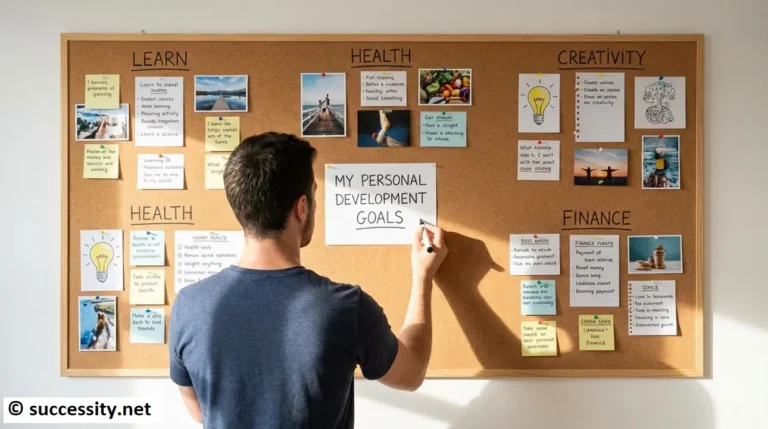
Write your goals down. Put them on a sticky note on your mirror or make them the wallpaper on your phone. When you know why you’re saying “no” to a small impulse purchase, it’s because you’re saying “yes” to a much bigger dream. This is the first step in effective money management.
Know Where Your Money Is Going – Track Your Spending
You can’t create a realistic budget if you’re guessing where your money goes. For at least 30 days, you need to become a financial detective and track every single dollar. This isn’t about judging yourself; it’s about gathering data.
You might be shocked to discover how much those daily coffees or multiple streaming subscriptions are actually costing you.
- Use an app: Tools like Mint, YNAB (You Need A Budget), or Rocket Money connect to your bank accounts and automatically categorize your spending.
- Use a spreadsheet: A simple Google Sheet or Excel file can work wonders.
- Use a notebook: If you’re tactile, the physical act of writing down purchases can be a powerful way to build awareness.
Choose the Right Budgeting Method for Your Personality
There is no one-size-fits-all approach to budgeting. Choosing a method that suits your personality is crucial for budgeting for beginners. Here are a few popular options:
- The 50/30/20 Rule: The simplest method. 50% of your after-tax income goes to Needs (rent, utilities, groceries), 30% goes to Wants (dining out, hobbies, entertainment), and 20% goes to Savings and Debt Repayment.
- Zero-Based Budgeting: For the detail-oriented person. You assign every single dollar a “job” at the start of the month. Your income minus your expenses equals zero. It gives you maximum control.
- The Envelope System: Perfect for visual people or those who struggle with overspending on debit/credit cards. You pull out cash for variable spending categories (like groceries or entertainment) and put it in labeled envelopes. When the cash is gone, it’s gone.
Be Realistic – Create a Budget for Your Real Life, Not Your Fantasy Life
This is the most common reason budgets fail. If you currently spend $600 a month on dining out, slashing that to $50 overnight is a recipe for disaster. A budget isn’t a financial crash diet; those always end in a binge.
Look at your tracked spending and make small, sustainable cuts first. And most importantly, build in some wiggle room. A “Miscellaneous” or “Fun Money” category gives you permission to be human without derailing your entire plan.
The Psychology Behind Spending Habits

Sticking to a budget is more about psychology than math. If you don’t understand the “why” behind your spending habits, you’ll constantly be fighting an uphill battle. This is how you stop overspending for good.
Identify Your Personal Spending Triggers
A spending trigger is a feeling, situation, or place that makes you want to spend money. Ever bought something you didn’t need after a tough day at work? Or splurged because you saw a friend’s vacation photos on Instagram? Those are triggers.
Common triggers include:
- Stress & Anxiety: “Retail therapy” is a temporary fix for negative feelings.
- Boredom: Mindless scrolling on your phone often leads to mindless shopping.
- Social Pressure (FOMO): Trying to keep up with friends’ lifestyles.
- Location: Walking through your favorite store “just to look.”
- Celebration: Feeling like you “deserve” a treat for a small victory.
For one week, keep a small journal. When you make an unplanned purchase, jot down how you were feeling right before. Recognizing your patterns is the first step to changing them.
The Difference Between Emotional vs. Mindful Spending
Emotional spending is reactive; it’s using a purchase to change your mood. Mindful spending is proactive; it’s consciously choosing to spend money on something that aligns with your values and goals. Before you buy, pause and ask yourself:
- “Do I truly need this, or am I just feeling stressed/bored/sad?”
- “Will this purchase move me closer to or further from my financial goals?”
- “How will I feel about this purchase a week from now?”
How to Break the “Instant Gratification” Cycle
Our world is designed for instant gratification. With one-click ordering and “buy now, pay later” services, we’re trained to want things now. To fight this, you have to deliberately introduce a delay. This gives your logical brain time to catch up with your emotional brain. The 24-hour rule (more on that below) is a perfect tool for this.
Reframe Your Thinking – From “Restriction” to “Empowerment”
If you view your budget as a cage, you’ll always want to break free. Change your perspective. A budget isn’t a list of things you can’t have. It’s a powerful plan that gives you permission to spend money on the things you truly value while building a future you’re excited about. It’s the ultimate tool for financial freedom.
7 Actionable Strategies to Control Spending and Stick to Your Plan
With a solid foundation and the right mindset, you’re ready for the practical, day-to-day tactics. These are the budgeting tips that make all the difference.
1. Automate Everything – Pay Yourself First
This is the single most effective way to guarantee you save money. Don’t wait to see what’s left at the end of the month. Set up an automatic transfer from your checking to your savings account for the day you get paid. You can’t spend what you never see. Automate your bill payments, too, to avoid costly late fees.
2. Implement the 24-Hour Rule for Non-Essential Purchases
For any non-essential purchase over a set amount (say, $50), don’t buy it on the spot. Wait 24 hours. This simple delay short-circuits impulse spending. More often than not, you’ll realize the urgent “need” has faded and you don’t actually want it anymore.
3. Plan Ahead – Meals, Groceries, and Errands
Food is a major budget-buster. Take 30 minutes on Sunday to plan your meals for the week. Make a grocery list based on that plan and—this is crucial—stick to it. This simple habit drastically cuts down on expensive last-minute takeout and food waste.
4. Unsubscribe and Unfollow
Retail marketing is designed to create a sense of urgency and desire. Remove the temptation. Unsubscribe from retail email lists and unfollow brands on social media that trigger your urge to shop. Out of sight, out of mind.
5. Conduct a Weekly Budget Check-In
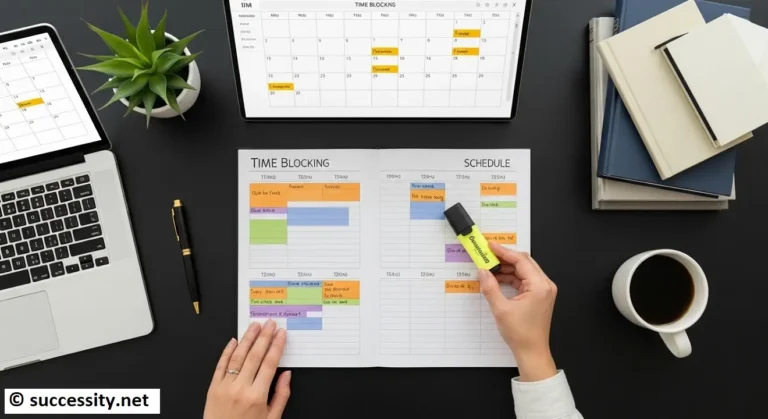
A budget isn’t a “set it and forget it” document. Spend just 15 minutes every Sunday reviewing your spending for the past week. Did you stay on track? Where did you overspend? This quick check-in allows you to make adjustments for the week ahead and keeps you actively engaged with your financial plan.
6. Use Cash or a Debit Card for Problem Categories
Swiping a credit card doesn’t feel like spending real money. The “pain of payment” is what helps our brains register a transaction. If you always overspend on dining out or coffee, try using the cash envelope system just for that category. When the cash is gone, you’re done for the month.
7. Find a Budget Buddy or Accountability Partner
Share your financial goals with a trusted friend or partner. You don’t have to share specific numbers, but having someone to check in with can make a huge difference. You can celebrate wins together and provide support when one of you is struggling.
Finding Extra Money by Reducing Major Expenses

If you’ve cut the small stuff and still feel squeezed, it’s time to look at the big categories. Reducing these expenses can free up hundreds of dollars per month.
The “Big Three” – Audit Your Housing, Transportation, and Food Costs
For most households, these three categories consume the largest portion of the budget. Even small optimizations here have a huge impact.
- Housing: Comparison shop for your homeowner’s or renter’s insurance annually. You can often find the same coverage for less.
- Transportation: Are you driving a gas-guzzler when a more efficient car would do? Could you bundle your car insurance with your home insurance for a discount?
- Food: Challenge yourself to a “pantry week” where you cook meals using only ingredients you already have. This reduces food waste and your grocery bill.
The Subscription Purge – A Step-by-Step Guide
Those small, recurring charges for streaming services, apps, and subscription boxes add up fast. It’s time for an audit.
- Hunt: Go through your last three months of bank and credit card statements and list every single recurring charge.
- Sort: For each subscription, ask yourself: “Do I use this regularly? Does it bring me real value?”
- Cancel: Be ruthless. Cancel anything you forgot you had or no longer use. You can always re-subscribe later if you truly miss it.
Learn to Negotiate – Lowering Bills You Thought Were Fixed
Many of your monthly bills are not set in stone. A 10-minute phone call can often save you money.
- Cell Phone/Cable/Internet: Call your provider and use this simple script: “Hello, I’m a long-time customer and my bill has become too high for my budget. I’m exploring other options, but I’d prefer to stay with you. Are there any promotions or better plans available to help lower my monthly cost?”
- Credit Card Interest Rates: If you have good payment history, you can often call your credit card company and ask for a lower APR.
Embrace a “No-Spend Challenge”
A no-spend challenge (for a weekend, a week, or even a month) is a fantastic way to reset your spending habits. The rules are simple: you can only spend money on absolute necessities (like rent, utilities, and basic groceries). This forces you to get creative, find free entertainment, and realize how much you spend out of habit rather than need.
Overcoming Common Budgeting Hurdles
Your journey won’t be perfect. Life happens. Knowing how to handle setbacks is key to long-term success.
What to Do When Unexpected Expenses Hit
A car repair, a medical bill, a broken appliance—it will happen. This is exactly why an emergency fund is a non-negotiable part of your budget. If you have one, use it without guilt. If you don’t, you may need to temporarily pause your other savings goals to cover the cost and then adjust your budget to rebuild that fund as a top priority.
“I Overspent… Now What?” How to Get Back on Track
You will overspend. Everyone does. The most important thing is not to quit. One mistake doesn’t ruin your entire budget.
- Acknowledge it: Don’t ignore it. See where you went over.
- Identify the trigger: Why did it happen?
- Adjust: Find another category where you can cut back for the rest of the month to compensate.
- Move on: Forgive yourself and get back on track. A budget is a tool, not a test you can fail.
Dealing with “Budget Burnout”
Sticking to a strict budget can feel draining over time. If you’re feeling deprived, it might be a sign your budget is too restrictive. It’s okay to schedule a planned “splurge” as a reward for hitting a savings milestone. Giving yourself a small, budgeted treat can help you stay motivated for the long haul.
Your Journey to Financial Control
Learning how to stick to a budget is one of the most empowering skills you can develop. It’s not about restriction; it’s about making conscious choices that align with the life you want to live.
By building a realistic plan, understanding the psychology behind your spending, using practical strategies like automation, and being kind to yourself when you slip up, you can move from feeling controlled by your money to being in complete control of it. This is your roadmap to stop overspending, crush your goals, and build lasting financial well-being.
What is the one tip from this list you will implement this week? Share your first step in the comments below!
Frequently Asked Questions (FAQ)
How long does it take to get used to a budget?
It typically takes about 90 days, or three full budget cycles, to turn budgeting into a solid habit. The first month is for gathering data, the second is for testing and adjusting, and by the third, you’ll start to feel in control.
What’s the best app for sticking to a budget?
This depends on your style. YNAB is fantastic for hands-on, zero-based budgeting. Mint or Rocket Money are great for automatically tracking your spending with less effort. The best app is the one you will consistently use.
Is it okay to change my budget?
Absolutely! Your budget is a living document, not a contract set in stone. You should review and adjust it whenever your income, expenses, or financial goals change.
About the Author