Sophia
Remember when education had a finish line? You went to school, maybe college, got your degree, and that was it. You were “educated.” You had the knowledge you needed for your career, and you were set for life.
If that idea sounds a little outdated, it’s because it is.
The world is changing at an incredible pace. Technology evolves, industries are disrupted overnight, and the skills that were in high demand five years ago might be obsolete tomorrow. The truth is, the finish line has disappeared. In its place is a continuous, exciting, and absolutely essential journey: lifelong learning.
This isn’t just another buzzword to add to your vocabulary. It’s a fundamental mindset shift that acts as your personal and professional compass in a fast-moving world. In this guide, we’ll dive deep into what lifelong learning truly means, why it’s the single most important investment you can make in yourself, and how you can start today.
What is Lifelong Learning?
Let’s get a clear definition on the table. Lifelong learning is the voluntary, self-motivated, and ongoing pursuit of knowledge for either personal or professional reasons.
It’s about recognizing that you are never “done” learning. It’s the curiosity that makes you watch a documentary on black holes, the drive that pushes you to take an online course on data analytics, and the passion that inspires you to finally learn how to play the guitar.
It’s a Mindset, Not Just an Activity
The most critical thing to understand is that true lifelong learning is an internal mindset before it’s an external activity. It’s the difference between being forced to study for an exam and choosing to read a book because you’re genuinely curious.
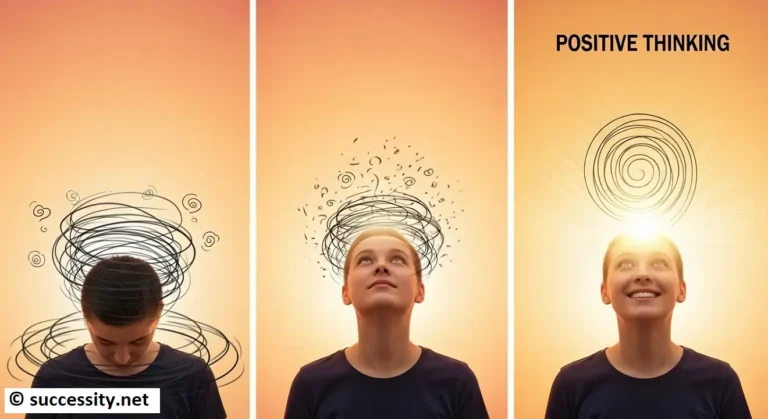
This is deeply connected to the concept of a growth mindset—the belief that your intelligence and abilities can be developed through dedication and hard work. People with a growth mindset see challenges as opportunities to grow, not as roadblocks. They are the natural lifelong learners.
The Four Pillars of Lifelong Learning
To give it a bit more structure, UNESCO, the United Nations’ educational organization, breaks down the importance of continuous learning into four pillars. Think of these as the core foundations of a well-rounded learning journey:
- Learning to Know: This is the classic pillar—acquiring broad general knowledge and understanding the world around you. It’s about curiosity and the joy of discovery.
- Learning to Do: This is about acquiring practical skills. It’s the “how-to” part of learning, whether it’s coding, public speaking, or sustainable gardening. This is where upskilling and reskilling for your career fit in.
- Learning to Be: This is the journey of personal development. It’s about developing your personality, your ethical values, your creativity, and your physical and mental well-being.
- Learning to Live Together: This pillar focuses on developing understanding, empathy, and appreciation for other people and their cultures. It’s about becoming a better global citizen.
Why Lifelong Learning is Your Superpower – The Core Benefits

Okay, so you get the concept. But why should you actively make time for it in your already busy life? Because the benefits of lifelong learning are transformative. It is, without exaggeration, a modern-day superpower.
Professional Growth & Career Resilience
In today’s job market, standing still is the same as moving backward. Continuous learning is your key to staying not just relevant, but valuable.
- Future-Proofs Your Career: By constantly upskilling (improving your current skills) and reskilling (learning new skills for a different job), you become adaptable. When your industry shifts, you’ll be ready to shift with it.
- Increases Earning Potential: New skills, certifications, and knowledge directly translate to more opportunities for promotions and higher-paying roles.
- Boosts Job Satisfaction: Learning new things at work keeps you engaged and motivated, preventing burnout and stagnation. You become a more creative problem-solver and a greater asset to your team.
Personal Development & Fulfillment
The benefits extend far beyond your 9-to-5. Lifelong learning is one of the most powerful tools for self-improvement.
- Builds Unshakeable Confidence: Have you ever felt the surge of pride after finally mastering something difficult? That feeling builds on itself. Learning new things proves that you are capable and adaptable, which is a massive boost to your self-esteem.
- Unlocks Dormant Passions: You might have a hidden talent for painting, a knack for astronomy, or a love for ancient history that you’ve never explored. Learning opens the door to hobbies and interests that bring joy and meaning to your life.
- Enhances Creativity: Learning about different subjects creates new connections in your brain. An architect who studies biology might come up with a building design inspired by nature. A writer who learns to code might create an interactive story. This cross-pollination of ideas is the fuel for innovation.
Enhanced Cognitive Health & Well-being
Your brain is a muscle. If you don’t use it, you lose it. The act of learning is one of the best workouts you can give it.
- Keeps Your Mind Sharp: Numerous studies show that engaging in mentally stimulating activities throughout your life can help delay cognitive decline and keep your mind sharp as you age.
- Increases Adaptability to Change: The more you learn, the more comfortable you become with being a beginner again. This makes you more resilient and less afraid of change in all aspects of your life.
How to Become a Lifelong Learner – 7 Actionable Strategies
Convinced? Great. Now for the practical part. Becoming a lifelong learner doesn’t require you to enroll in a PhD program. It’s about building small, consistent habits. Here’s how to be a lifelong learner starting today.
- Cultivate Insatiable Curiosity: This is your foundation. Start asking “why?” and “how?” like a 5-year-old again. When you read a news article, don’t just skim it. Follow a link to learn more about a concept you don’t understand. Allow yourself to go down interesting rabbit holes.
- Adopt a Growth Mindset: Actively challenge the voice in your head that says, “I’m not smart enough for that” or “I’m too old to learn.” Replace it with, “I can’t do that yet,” or “This is a challenge, and I can grow from it.”
- Set SMART Learning Goals: Vague goals like “learn more” don’t work. Be specific. A good goal looks like this: “I will complete the ‘Google Data Analytics Certificate’ on Coursera by spending 5 hours a week on it for the next 4 months.”
- Make Learning a Habit (Schedule It): Treat learning like you would a workout or an important meeting. Block out time in your calendar. It doesn’t have to be hours. Even 20 minutes a day of focused reading or watching an educational video adds up to over 120 hours in a year!
- Diversify Your Learning Methods: Don’t just read books. Mix it up to keep things fresh and to cater to different learning styles. Listen to podcasts, watch documentaries, take interactive online courses, attend workshops, or even find a mentor.
- Find a Learning Community: Learning doesn’t have to be a solo activity. Join a book club, find an online forum for a skill you’re learning, or take a class with a friend. Sharing your progress and challenges with others is a powerful motivator.
- Teach What You Learn: This is a fantastic way to solidify knowledge. Try to explain a concept you’ve recently learned to a friend or family member. Write a blog post about it. The act of organizing your thoughts to teach someone else is the ultimate test of your understanding.
Lifelong Learning in Action – 10 Practical Examples & Ideas
Need some inspiration? Here are some simple yet powerful lifelong learning examples you can try.
- Read Widely and Purposefully: Challenge yourself to read one non-fiction book a month on a topic you know nothing about.
- Take an Online Course: Pick one skill you’ve always wanted to have—whether it’s Excel, Photoshop, or creative writing—and find a beginner’s course on a platform like Coursera or Skillshare.
- Turn Your Commute into a Classroom: Use that time to listen to educational podcasts or audiobooks on subjects ranging from history to economics to psychology.
- Learn a New Language: Use an app like Duolingo or Babbel for 10 minutes every day. You’ll be surprised at how quickly you can pick up the basics.
- Master a Practical Skill on YouTube: From learning how to fix a leaky faucet to mastering public speaking or learning a new software, YouTube is an incredible free university.
- Pick Up a Creative Hobby: Learn to play an instrument, draw, or paint. These activities are fantastic for your brain and a great way to de-stress.
- Attend Free Webinars: Many industry experts and universities host free webinars. Sign up for one in your field to stay on top of the latest trends.
- Subscribe to an Informative Newsletter: Find a high-quality daily or weekly newsletter that summarizes business, tech, or science news.
- Travel with Intent: When you travel, make it a point to visit museums, take a local cooking class, or learn a few phrases in the local language.
- Start a “Just for Fun” Project: Build a simple website, plant a vegetable garden, or try to write a short story. Project-based learning is incredibly effective.
Top Resources & Tools for Your Learning Journey
Think of these as your personal learning toolkit. Here are some of the best platforms to get you started:
- Online Course Platforms: Coursera, edX (for university-level courses), LinkedIn Learning (for professional skills), Skillshare (for creative skills), and Udemy (for a vast range of topics).
- Free Learning Hubs: Khan Academy (excellent for math, science, and humanities), YouTube, TED Talks (for inspiring ideas), and your local library’s online resources (apps like Libby offer free e-books and audiobooks).
- Audio & Reading: Audible (audiobooks), Blinkist (15-minute book summaries), Goodreads (to discover new books), and countless podcasts on every topic imaginable.
- Language Apps: Duolingo, Babbel, and Memrise make learning a new language feel like a game.
Final Thoughts – Your Learning Journey Starts Now
Lifelong learning isn’t a chore; it’s an opportunity. It’s the opportunity to stay relevant in your career, to discover new passions, to connect with the world more deeply, and to build a more interesting and fulfilling life. It’s the ultimate expression of a growth mindset—the belief that your potential is not fixed, but ever-expanding.
The beautiful part is that you don’t need anyone’s permission to start. You just need curiosity and a commitment to yourself.
So, I’ll turn it over to you.
What is the one thing you are curious about and want to learn next? Share your learning goal in the comments below!
Frequently Asked Questions (FAQ)
Why has lifelong learning become so important?
With technology and industries changing so rapidly, continuous learning is essential to stay professionally relevant and personally adaptable. It’s the key to navigating a world where knowledge has a shorter shelf life.
How can I find time for learning with a busy schedule?
Start small by scheduling just 15-20 minutes a day. You can also utilize “dead time,” like your commute, to listen to educational podcasts or audiobooks, making learning a consistent and manageable habit.
Is lifelong learning just for my career?
Not at all. While professional upskilling is a major benefit, lifelong learning is equally about personal growth, discovering new hobbies, and improving your cognitive health for a more fulfilling life.
What is the biggest benefit of a lifelong learning mindset?
The greatest benefit is developing powerful adaptability. It trains your brain to embrace change, see challenges as growth opportunities, and maintain confidence in an ever-evolving world.
What is the easiest way to start being a lifelong learner?
Simply follow your curiosity. Pick one topic you’re genuinely interested in and spend 15 minutes learning about it today through a short article, podcast, or YouTube video to build momentum.
About the Author