Sophia
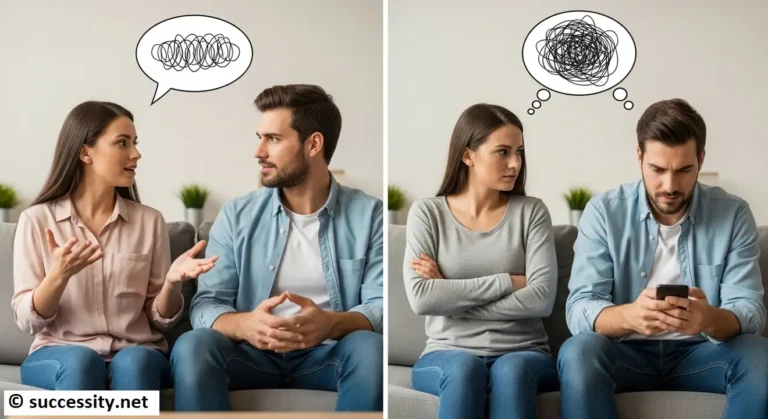
Have you ever felt like you’re shouting “I love you” into a void? You plan the perfect date night, buy a thoughtful gift, or offer endless encouragement, only to feel like your affection isn’t quite landing. On the flip side, maybe you feel unappreciated, wondering why your partner doesn’t see all the little things you do for them.
If this sounds familiar, you’re not alone. The problem often isn’t a lack of love – it’s a lack of understanding. We tend to give love in the way we want to receive it, but that might not be the language our partner, friend, or child actually speaks.
This is where the concept of the 5 Love Languages becomes a game-changer. Popularized by Dr. Gary Chapman in his best-selling book, this framework is a powerful tool for transforming your relationships and mastering communication skills for couples. It’s not about grand gestures; it’s about learning to speak the right language to fill the emotional “love tank” of the people you care about most.
This guide will walk you through everything you need to know about understanding love languages, discovering your own, and using this knowledge to build deeper, more meaningful connections.
The Core Concept – What Are the 5 Love Languages?
At its core, the theory is simple: each person has a primary way they prefer to give and receive love. When you communicate affection in someone’s primary love language, it resonates deeply. When you don’t, even the most well-intentioned efforts can get lost in translation.
Dr. Chapman identified five universal ways people express and interpret love. They are:
- Words of Affirmation
- Acts of Service
- Receiving Gifts
- Quality Time
- Physical Touch
Let’s dive deep into each one to understand what they truly mean.
1. Words of Affirmation – The Power of Verbal Connection
What it is: For people with this love language, words are everything. They feel most loved and appreciated when they hear it spoken or see it written. It’s not just about saying “I love you”; it’s about unsolicited compliments, words of encouragement, and finding ways to show appreciation in your relationship. The why behind the words matters just as much as the words themselves.
What it looks like in practice:
- Frequent Compliments: “You have such a great laugh,” or “You handled that difficult situation at work so well.”
- Verbal Encouragement: “I believe in you. You’re going to ace that presentation.”
- Kind and Humble Words: Using a gentle tone, saying “please” and “thank you,” and expressing gratitude for their presence in your life.
- Written Notes: Leaving a sticky note on the bathroom mirror, sending a random “thinking of you” text, or writing a heartfelt card.
How to speak this language: Be intentional with your words. Look for things to praise and say them out loud. If you’re not naturally vocal, set a reminder on your phone to send an encouraging text each day. Your words are a direct deposit into their emotional bank account.
What to avoid: Harsh criticism, insults (even as a “joke”), and failing to verbally acknowledge their accomplishments can be devastating to someone whose primary language is Words of Affirmation. For them, negative words cut deeper than for others.
2. Acts of Service – Actions Speak Louder Than Words
What it is: The old saying “actions speak louder than words” is the mantra for this love language. These individuals feel loved and cherished when people do thoughtful things for them. It’s about easing their burdens and showing you care through action. The key is to do these things out of generosity and care, not obligation.
What it looks like in practice:
- Sharing Daily Chores: Doing the dishes when it’s their turn, taking the dog out in the rain, or making the bed.
- Anticipating Their Needs: Making them a cup of coffee before they wake up, filling up their car with gas, or packing them a lunch for a busy day.
- Offering Help: Saying, “Let me handle that stressful phone call for you,” or “I can run that errand while you finish your work.”
- Fixing and Maintaining: Taking care of a broken appliance or handling household logistics.
How to speak this language: Pay attention to your partner’s daily stressors and look for opportunities to help without being asked. Ask, “Is there anything I can do to make your day easier?” The most powerful acts are often the ones that tackle a task they dread.
What to avoid: Forgetting promises, creating more work for them, or having a lazy attitude can make them feel unimportant and unloved. Not following through on a commitment is a major withdrawal.
3. Receiving Gifts – The Thoughtful Symbol
What it is: This is perhaps the most misunderstood love language. It is not about materialism or the cost of the gift. Instead, a gift is a tangible, visual symbol of love. The person who values gifts sees them as a manifestation of the thought, effort, and affection behind the item. The phrase “it’s the thought that counts” is the heart of this language.
What it looks like in practice:
- Meaningful Presents: A gift that shows you listen, like a book by their favorite author or a tool for their hobby.
- Small, Everyday Surprises: Picking up their favorite snack on your way home from work, or bringing them a flower you saw on a walk.
- Souvenirs: A small item from a trip that says, “I was thinking of you even when we were apart.”
- Handmade Items: Something you created yourself, which is a powerful symbol of your time and effort.
How to speak this language: Become a good listener and note-taker. When they mention something they like, write it down for later. The gift doesn’t have to be expensive—it just has to be thoughtful. The act of giving a gift during a non-special occasion can be incredibly powerful.
What to avoid: Forgetting birthdays or anniversaries, giving thoughtless or generic gifts, or placing no value on a gift you receive from them can make them feel unseen and unloved.
4. Quality Time – Undivided Attention is the Ultimate Gift

What it is: For someone whose love language is Quality Time, nothing says “I love you” like giving them your full, undivided attention. This isn’t just about being in the same room; it’s about being present and connected. Phones down, TV off, distractions put away. It’s about creating shared moments and feeling like you are the center of their world, even if just for a little while.
What it looks like in practice:
- Active Listening: Making eye contact, not interrupting, and asking follow-up questions during a conversation.
- Shared Activities: Going for a walk together, cooking a meal, playing a board game, or planning a weekend trip.
- Dedicated One-on-One Time: Setting aside a specific “date night” or a “coffee and conversation” time with no other agenda.
- Being Present: Simply sitting together on the couch and talking without the TV on.
How to speak this language: Schedule dedicated time in your calendar for them. When you’re together, make a conscious effort to put your phone away. Ask open-ended questions like, “What was the best part of your day?” The goal is genuine connection, not just proximity.
What to avoid: Distracted or postponed time together, constantly checking your phone, and seeming emotionally distant during conversations are extremely hurtful. It sends the message that something else is more important than they are.
5. Physical Touch – The Intimate Connection
What it is: This love language is about more than just sex. It’s about feeling loved and secure through physical connection. A hug, a hand on the shoulder, holding hands, or a gentle cuddle on the couch can communicate warmth, safety, and love more powerfully than any words or gifts. Appropriate physical touch affirms their presence and your connection to them.
What it looks like in practice:
- Everyday Affection: Holding hands while walking, hugging when you say goodbye or hello, or sitting close to each other.
- Reassuring Touch: A hand on their back during a difficult conversation or a pat on the arm to show support.
- Casual Contact: Touching their shoulder as you walk by or resting your head on their shoulder while watching a movie.
- Intimacy: Cuddling, backrubs, and other forms of intimate connection.
How to speak this language: Be intentional about initiating physical contact. If you’re not a naturally touchy person, start small. Reach for their hand in the car or give them a longer-than-usual hug. For this person, your physical presence is a direct source of comfort and love.
What to avoid: Physical neglect, flinching away from their touch, or being physically distant can make them feel rejected and isolated. In a crisis, their need for physical reassurance is at its highest.
What Is My Love Language? 3 Ways to Find Out
Figuring out your own primary love language (and your partner’s) is the first step, and it often requires a moment of honest self-reflection. Here are three simple ways to discover it:
- Take the Official Quiz: The most direct method is to take the free, official 5 Love Languages quiz developed by Dr. Chapman. It’s quick, insightful, and provides a detailed breakdown of your preferences. Encourage your partner and friends to take it, too!
- Pay Attention to Your Requests: How do you most often ask for love? Do you find yourself saying, “Can we please just spend some time together?” (Quality Time). Or, “It would mean so much if you could help me with this project.” (Acts of Service). Your recurring requests are a major clue.
- Observe How You Naturally Express Love: How do you instinctively show affection to others? Do you shower them with compliments (Words of Affirmation)? Are you always looking for the perfect gift (Receiving Gifts)? We often give love in the way we’d like to receive it.
Putting Knowledge into Action – Speaking a Language That Isn’t Yours

Understanding love languages is one thing; applying them is another, especially when your partner’s language feels foreign to you. Learning to speak it is like learning any new language—it requires practice, patience, and a genuine desire to connect.
- If their language is Words of Affirmation, set a daily reminder to send them an encouraging text.
- If their language is Acts of Service, ask them, “What’s one thing I can take off your plate today?”
- If their language is Receiving Gifts, keep a running list of small gift ideas on your phone.
- If their language is Quality Time, schedule a weekly, phone-free “connection time” on your calendar.
- If their language is Physical Touch, make a point to hug them when you get home and before you leave.
Beyond Romance – Love Languages for Friends, Family, and Kids
This framework isn’t just for couples. It’s a powerful tool for improving all your relationships.
- For a Child: A child who values Quality Time will feel more loved from 20 minutes of your undivided attention on the floor with their toys than from any new toy you could buy. A child who needs Physical Touch will be calmed by a hug after a bad day.
- For a Friend: A friend whose language is Acts of Service will never forget the time you brought them soup when they were sick. A friend who values Words of Affirmation will treasure the text you sent telling them how much their friendship means to you.
- For a Parent: An aging parent might feel cherished through Acts of Service like helping with groceries, or through Quality Time like a weekly phone call where you truly listen.
Final Thoughts – Love Languages Are a Tool, Not a Rule
Understanding the 5 Love Languages is about developing your emotional intelligence for personal growth and learning to be a more empathetic communicator. It gives you a clear roadmap to making the people you care about feel truly seen, valued, and loved.
However, remember that this is a tool for connection, not a rule to be weaponized. It’s not an excuse for bad behavior (e.g., “You didn’t do an Act of Service for me, so you don’t love me!”). Rather, it’s a starting point for conversation and a guide for showing your love in the most impactful way possible.
The first step is simply to start the conversation. Ask your loved ones, “What makes you feel most loved?” You might be surprised by what you learn.
What’s your primary love language? Share it in the comments below and tell us one way someone can “speak” it to you!
Frequently Asked Questions About Love Languages
Can your love language change over time?
Yes, absolutely. Major life events like getting married, having children, or a career change can shift your priorities and needs. What you valued most in one season of life might be different in another. It’s healthy to check in with yourself and your partner every so often.
Is it possible to have more than one love language?
Definitely. Most people have a primary love language that speaks to them most deeply, but also a strong secondary one. While you might appreciate all five, your top two are where you should focus your energy.
What is the most common love language?
While it varies by culture and individual, studies based on the quiz data often show that Words of Affirmation and Quality Time are among the most common primary love languages.
What if my partner and I have completely different love languages?
This is incredibly common and is not a sign of incompatibility! In fact, it’s an opportunity for growth. It just means you both have to be more intentional and conscious about meeting each other’s needs. Learning to love someone in their language, even when it’s not your own, is one of the most profound expressions of love there is.
About the Author